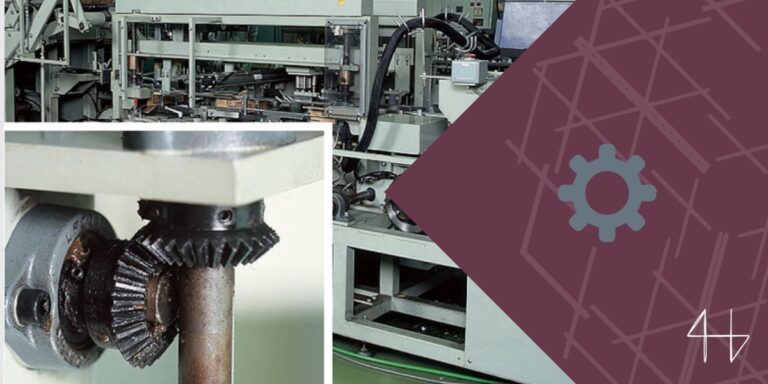

Ever wonder what’s inside the everyday objects we use? When dismantled, everyday mechanical objects reveal the marvels of precision engineering.
From mechanical watches to kitchen gadgets, let’s explore a few examples that showcase intricate mechanical designs hidden in plain sight.
TL;DR:
If you have the opportunity, dismantle:
- Bicycle
- Clutch / mechanical pencil
- Pen
- Door lock
- Wind-up toy
- Washing Machine
Find out why they are so interesting.
What is an everyday mechanical objects that are fascinating when dismantled?
An everyday mechanical object that’s fascinating when dismantled is a typewriter. This device, filled with moving parts, showcases the ingenuity required to create a machine that translates keystrokes into printed text. Each component works in harmony, highlighting the marvel of human engineering.
Reasons to dismatle old objects
Dismantling old objects reveals how motion and energy are harnessed to create efficient mechanisms.
This exploration provides insights into past engineering feats, enhancing our appreciation for modern innovations.
6 Everyday Mechanical Objects that are Fascinating when Dismantled
Exploring the inner workings of everyday mechanical objects reveals intricate components, gears, and the speed at which they operate.
Each dismantled item tells a story of innovation and design. Here are five fascinating examples:
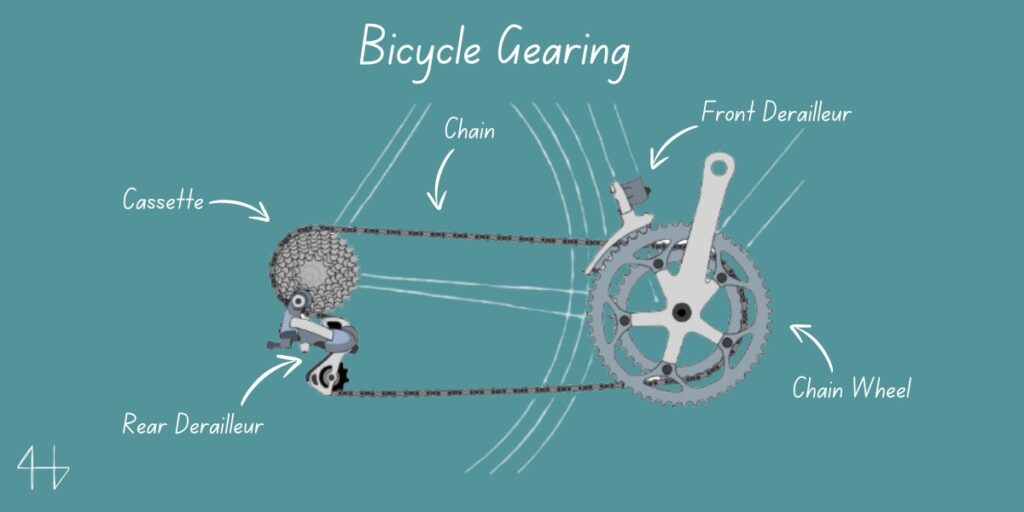
Bicycle
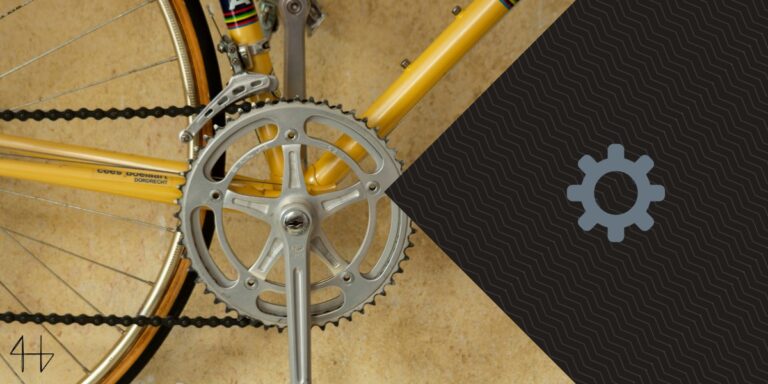
A bicycle, when dismantled, showcases the mechanics behind movement and balance.
Each part, from the gears to the chain, is a testament to physics at work. Examining a bicycle’s components provides a practical test of engineering principles
Mechanical Pencil
The mechanical pencil, a marvel of controlled precision, is an essential tool in the world of writing and design.
Its intricate mechanism accounts for consistent lead advancement, eliminating the need for sharpening while ensuring smooth, uninterrupted creativity.

Ballpoint Pen
The ballpoint pen, often overlooked, transforms a simple mistake into an art of precision. Dismantling it reveals the careful engineering focused on smooth ink flow and ergonomic design.
Understanding its inner workings enhances appreciation for this everyday tool.

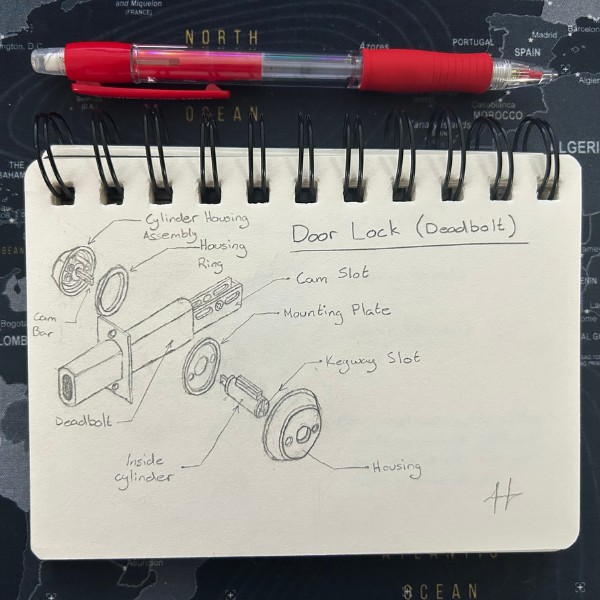
Door Lock (Deadbolt)
Diving into the mechanism of a deadbolt door lock is like focusing on a miniaturized, intricate device.
Its components work in harmony, akin to a well-oiled machine. Understanding its operation can be surprisingly interesting, akin to discovering a hidden gem in home security.
Wind-Up Toy
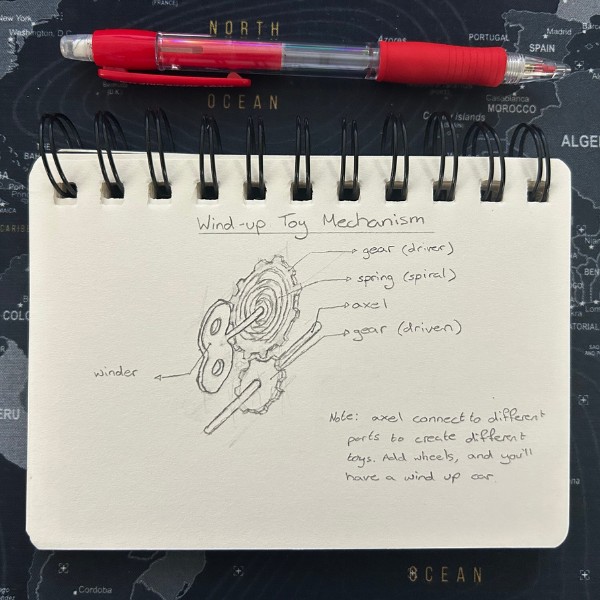
The wind-up toy is a master of simplicity, resembling miniature cars or houses.
Wind-up mechanisms power these charming toys, demonstrating how basic mechanics can animate delightful movements with just a few key components.
Washing Machine
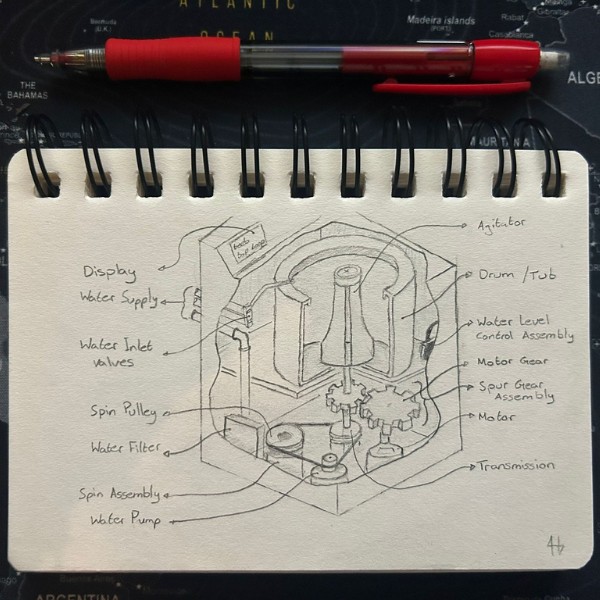
The internal workings of a washing machine involve a an assembly of mechanical components that operate together.
At the center of the system is the drum or tub, where clothes are placed. The agitator, located inside the drum, rotates or moves back and forth, powered by a motor connected to a transmission.
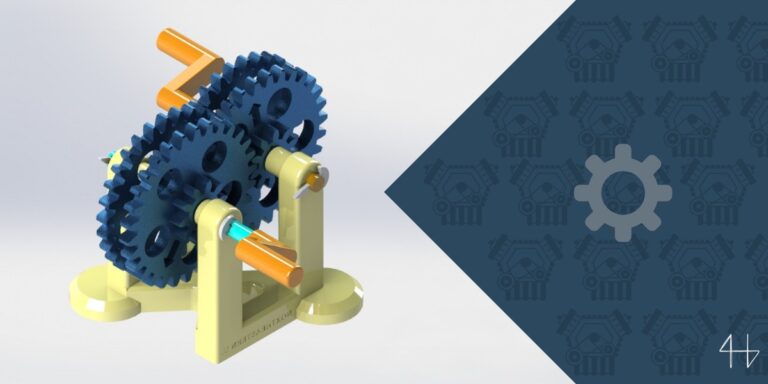
The motor uses a series of spur gears (or belt pulleys), which help transfer power efficiently to the agitator and spin assembly.
Water enters the drum through water inlet valves, controlled by the water level control assembly. During operation, the water pump and filter manage the circulation and drainage of water.
The entire system is coordinated by an electronic control unit, often referred to as the display, which regulates the machine’s cycles and settings.
FAQs

What are the simple mechanical gadgets?
Simple mechanical gadgets are inventions that perform basic tasks with minimal complexity. They’re designed to accomplish functions using straightforward mechanisms, often comprising only a fraction of the components found in more intricate devices.
What is an example of a mechanical object in real life?
A house door lock is a prime example of a mechanical object in real life.
Invented to secure homes, these locks are encountered daily during routine activities like shopping or returning home.
What are mechanical equipment in the home?
Mechanical equipment in the home encompasses factors such as HVAC systems, plumbing fixtures, and kitchen appliances.
These items play a crucial role in everyday living, ensuring comfort and efficiency throughout the house.
How can taking apart mechanical objects improve my personal projects?
Taking apart mechanical objects like cameras or digital devices can improve your personal projects by providing hands-on learning opportunities.
Understanding how each dial and component functions enhances your technical skills and creativity in project execution.